
Podcast thumbnail and title ideas that actually get clicks
{{ dek }}

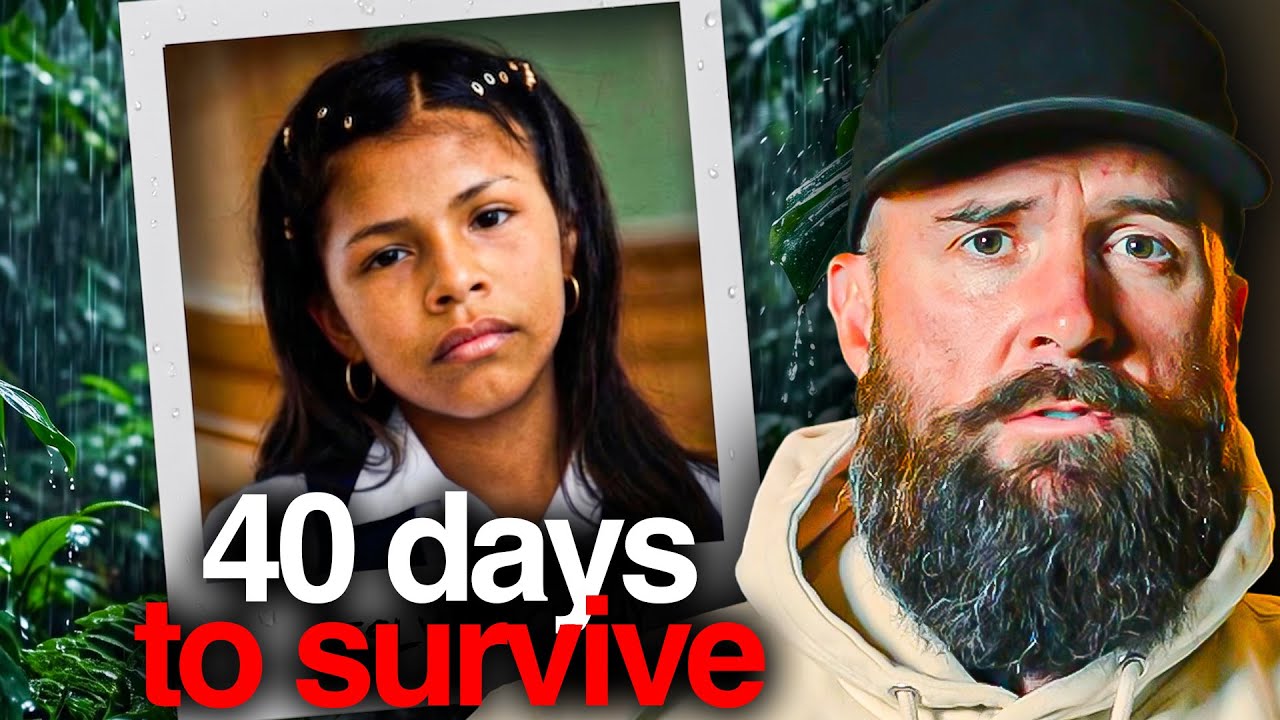
- {{ point }}
A podcast thumbnail and title have one job: earn a click from someone scrolling who has no context yet. Most podcast titles get written for people who already listen, guest names, episode numbers, generic descriptions, which does almost nothing for a first-time viewer deciding in half a second whether to click. That's a different job from getting found in the first place; see podcast SEO for the search side of discovery.
Podcast thumbnail ideas that earn clicks
A clear facial expression, ideally mid-emotion, beats a neutral posed shot. Minimal text, three to five words, large enough to read at thumbnail size on a phone. Consistent visual branding across episodes so viewers recognise the channel at a glance, even scrolling fast. One clear focal point, since a cluttered thumbnail loses to a simple one almost every time. Contrast matters more than most creators expect too: a thumbnail that blends into a busy feed, visually or in colour, gets scrolled past before the message even registers.
Podcast title ideas: how to title an episode
Lead with the specific, surprising claim from the episode, not the guest's name or job title alone. Ask the exact question the episode answers, when that question genuinely intrigues someone. Skip vague titles like "A Conversation About Growth", they promise nothing specific and get scrolled past. Numbers beat generalities: "How We Grew to 200M Views" outperforms "Our Growth Story" every time we've tested it. Specificity does work generality can't: a title that names the actual claim gives someone a concrete reason to click, while a vague one just asks them to trust that something interesting might be inside.
- The guest’s name and job title alone
- An episode number up front
- “A conversation about…”
- A summary of the whole episode
- The specific claim the episode makes
- The exact question it answers
- A real number from the episode
- The moment the hook is built on
Podcast thumbnail size for YouTube and podcast apps
A podcast needs two different images, and they aren’t interchangeable. The YouTube thumbnail is a wide 16:9 frame built around one episode’s hook. The podcast cover art is a square image that represents the whole show in Apple Podcasts, Spotify and every other app, and it stays the same from episode to episode.
| Image | Size | Shape | Worth knowing |
|---|---|---|---|
| YouTube podcast thumbnail | 1280 × 720 px | 16:9 | JPG or PNG, under 2 MB. Changes every episode. |
| Podcast cover art | 3000 × 3000 px | 1:1 square | JPG or PNG, RGB. Apple Podcasts accepts 1400 px minimum. Stays the same per show. |
Whatever the size, design for how small the image actually appears. On a phone a YouTube podcast thumbnail is only a few centimetres wide, which is why three to five words and one readable face beat a detailed layout every time.
Where podcasts get this wrong
Adding the thumbnail and title as an afterthought, after the edit is already locked, is the single most common mistake we see. Plan both during the edit itself, once you've identified the strongest hook and moment. The moment that hooks a viewer two minutes into the episode is usually the exact moment that should anchor the thumbnail and title. Treat them as part of the podcast editing process, not a separate task tacked on afterward.
Where the line sits between compelling and clickbait
A title or thumbnail that promises something the episode doesn't deliver damages trust and hurts retention on your next upload. Aim for accurate specificity, not exaggeration. "The mistake that cost us $2M" only works as a title if the episode genuinely covers that mistake in detail. If it doesn't, viewers notice, and they remember it next time you post. The test is simple: if a viewer watched the whole episode and felt like the title lied to them, it was clickbait. If they felt the title undersold what they got, it was a good title.
A simple title and thumbnail checklist
Before publishing, run the pairing through a short list:
- Names a claim, question or number
- Written for someone with no context
- One clear focal point
- A face readable at phone size
- Point at the same moment
- The episode delivers on both
- Does the title name a specific claim, question, or number, rather than a vague description?
- Does the thumbnail have one clear focal point and a readable expression at phone size?
- Do the title and thumbnail point at the same moment, the one that actually hooks a viewer inside the episode?
- Would the episode itself satisfy someone who clicked expecting exactly what the title and thumbnail promised?
A pairing that passes all four earns the click honestly, and keeps earning the next one.
Testing titles and thumbnails properly
YouTube's own A/B testing tools let a channel run two or three thumbnail or title variants against the same episode and see which one earns more clicks, without guessing. A few things make that testing actually useful:
- Test structurally different ideas, not minor tweaks. A question versus a bold claim versus a number tells you more than three slightly reworded versions of the same sentence.
- Let the test run long enough to matter. A few hundred views usually isn't enough data to trust a result; give it enough impressions before calling a winner.
- Track the result somewhere. Over a season, patterns emerge, numbers in titles outperform for this show, a specific face in the thumbnail always wins, that a single test never reveals on its own.
Testing replaces opinion with evidence, and the evidence compounds: each test makes the next title or thumbnail a slightly better-informed guess. Writing, designing and testing titles and thumbnails for every episode is part of our YouTube podcast optimisation.
FAQ
Should thumbnails be designed before or after editing?
During, ideally. The strongest hook identified in the edit should directly inform the thumbnail and title, rather than treating them as a separate task once editing wraps.
Do consistent thumbnail templates actually help channel growth?
Yes. Viewers scrolling a subscription feed recognise a consistent visual style faster than they read a title, which increases click-through even before they process the specific episode.
How much do titles and thumbnails actually affect YouTube performance?
Significantly. On a platform built around scrolling, the title and thumbnail are often the only information a viewer has before deciding whether to click, so they function as the primary gate on whether an otherwise strong episode gets watched at all.
Should every episode use the same thumbnail template?
A consistent template, same font, same layout, same branding position, tends to help long-term channel recognition, but the photo and text within that template should change per episode to reflect the actual hook, not stay generic.
How many title options should I test before publishing?
Two or three genuinely different angles is usually enough. Testing dozens of minor variations of the same idea rarely reveals much; testing a few structurally different approaches, a question versus a claim versus a number, tends to show a clearer winner.
Do emojis or symbols in titles help or hurt click-through?
Used sparingly and relevantly, they can add a small amount of visual distinction in a crowded feed. Overused, they read as generic clickbait formatting and can hurt trust. A specific, well-written title rarely needs an emoji to do the work a strong claim already does.
What size should a podcast thumbnail be?
For YouTube, 1280 × 720 pixels at a 16:9 ratio, saved as a JPG or PNG under 2 MB. Podcast cover art for Apple Podcasts and Spotify is a separate square image, 3000 × 3000 pixels, and stays the same across every episode.
Where can I get podcast thumbnail ideas?
The strongest source is the episode itself: the moment identified as the hook during editing usually contains the expression or beat that should anchor the thumbnail. Beyond that, scanning what performs well on channels in a similar space, not to copy, but to see which expressions and layouts consistently earn clicks, is more useful than browsing generic template libraries.